SmoothJazzVibes.com
By Ronald Jackson
Flutist Bradley Leighton has covered a lot of turf in his career as far as citing musical influences is concerned. He’s covered Charlie Parker and even rolled through a little Tower of Power. Here on his 2008 release, Soul Collective, the flutist seems to travel back to his Back to the Funk release as he unleashes some coolly rhythmic and oft funky material on us.
The album runs the gamut for groovable tracks. The opening cut, “It’s On,” has a really nice hook and decidedly smooth yet funky feel while “Café Con Leche” has that appealingly rhythmic and exotic Latin touch. Funk takes center stage with “Wake Up Call” and its sassy swagger. Covers like “She’s Gone,” “Ode to Billy Joe,” and “Keep That Same Ol’ Feeling” are dealt with adeptly and with precision. Vocalist Paula Prophet, who is expected to release her debut sometime this year, offers her “That Man,” which has that early Motown/Martha Reeves kinda groove, and it works…well. With guest help from Greg Adams, Tom Braxton, Jason Miles, Evan Marks, and Tom Scott, this project came gift-wrapped and set to please. It’s quite obvious that the stellar gathering prompted the album’s name and character. It’s amazing what the flute has been able to offer in the world of jazz. From Laws to Najee to Zonjic to Leighton and many more, we have come to experience the texture and sweetness that the instrument adds to the genre. Soul Collective speaks to just how fortunate we are to have that experience.


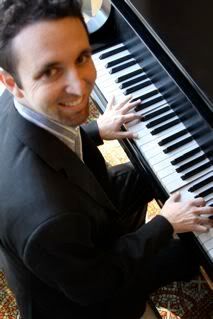 Playing mostly original compositions, Green’s classical training shows in his preciseness, yet the joy of jazz and Latin rhythms still surface. “Jellyfish,” one of the best tracks off the CD, is an appealing samba with Green’s confident, authentic Latin piano merging with intricate percussion. Latin grooves continue with cuts like “Doctor Pasta,” “Baiao Pra Voce,” and “Gigi,” with the latter being a perfect showcase for Green’s speed and dexterity. These tracks encompass his thorough study of Latin music, having worked with several world musicians as well as California’s Brazil Camp program.
 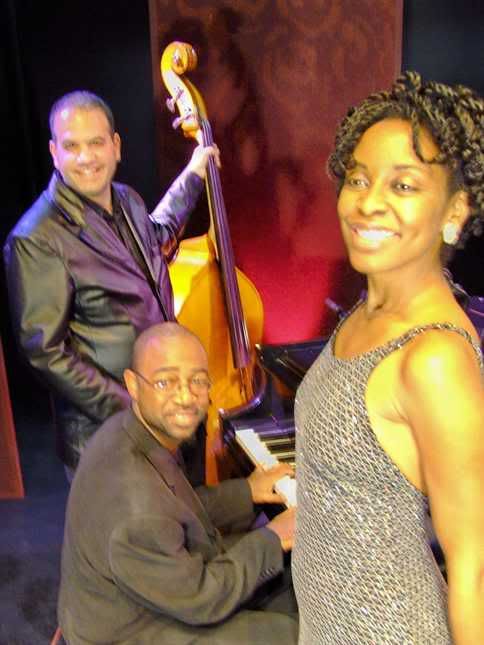 While vocalese is prominently featured, the deft instrumental skills of the band still impress. “Homeland” features an extended (and blazing fast) saxophone solo by Landham, and “Shalom and Salaam” works due to the tight syncopation of Knowles, Landham, Trask, and Saltman. Once again the saxophone and piano solos are the true standouts, their improvisation accompanying but never dominating the driving beat and melody. Trask occupies the spotlight on the midtempo “Disfavor,” his muted trumpet skillfully navigating the frequent tempo fluctuations. Landham and Trask trade lines, never overshadowing the other’s playing.


 Posts
Posts